
The Forgotten Foods Your Grandparents Ate That Protected Their Eyes
If you go back a few generations, something interesting stands out. People didn’t talk about lutein, zeaxanthin, or antioxidants. They weren’t reading nutrition labels or searching for “eye health recipes.” And yet, many of them were naturally eating in a way that supported long-term vision. Somewhere along the way, we modernized our diets and quietly removed many of the very foods that helped protect our eyes. This isn’t about going backward. It’s about rediscovering what worked and bringing it into today’s kitchen in a way that actually fits how we live now.
When Food Was Medicine Without the Label
Your grandparents’ meals were built differently. Not because they had better information, but because they had fewer options. Meals were simpler, more seasonal, and far less processed. That meant higher nutrient density without even trying. Many of the foods that supported eye health were just part of everyday eating. Today, we often replace those foods with convenient, shelf-stable alternatives that lack the nutrients our eyes rely on to stay strong.
The Forgotten Eye-Protecting Foods
Here are a few “old-school” staples that quietly did a lot of heavy lifting for eye health.
-
Dark Leafy Greens
Collard greens, spinach, mustard greens, and kale were regulars on the dinner table.
These greens are packed with lutein and zeaxanthin, two nutrients that help protect the retina and may slow the progression of age-related macular degeneration.
Back then, they were often slow cooked with simple ingredients. Today, they’re just as powerful but can be prepared in lighter, faster ways.
-
Liver and Organ Meats
Not the most popular topic these days, but one of the most nutrient-dense foods ever eaten regularly.
Liver is loaded with vitamin A, which is essential for maintaining healthy vision, especially in low-light conditions. It also contains zinc and B vitamins that support overall eye function.
Previous generations didn’t eat it for health trends. They ate it because nothing went to waste. The result was better nutritional coverage than most modern diets provide.
-
Root Vegetables
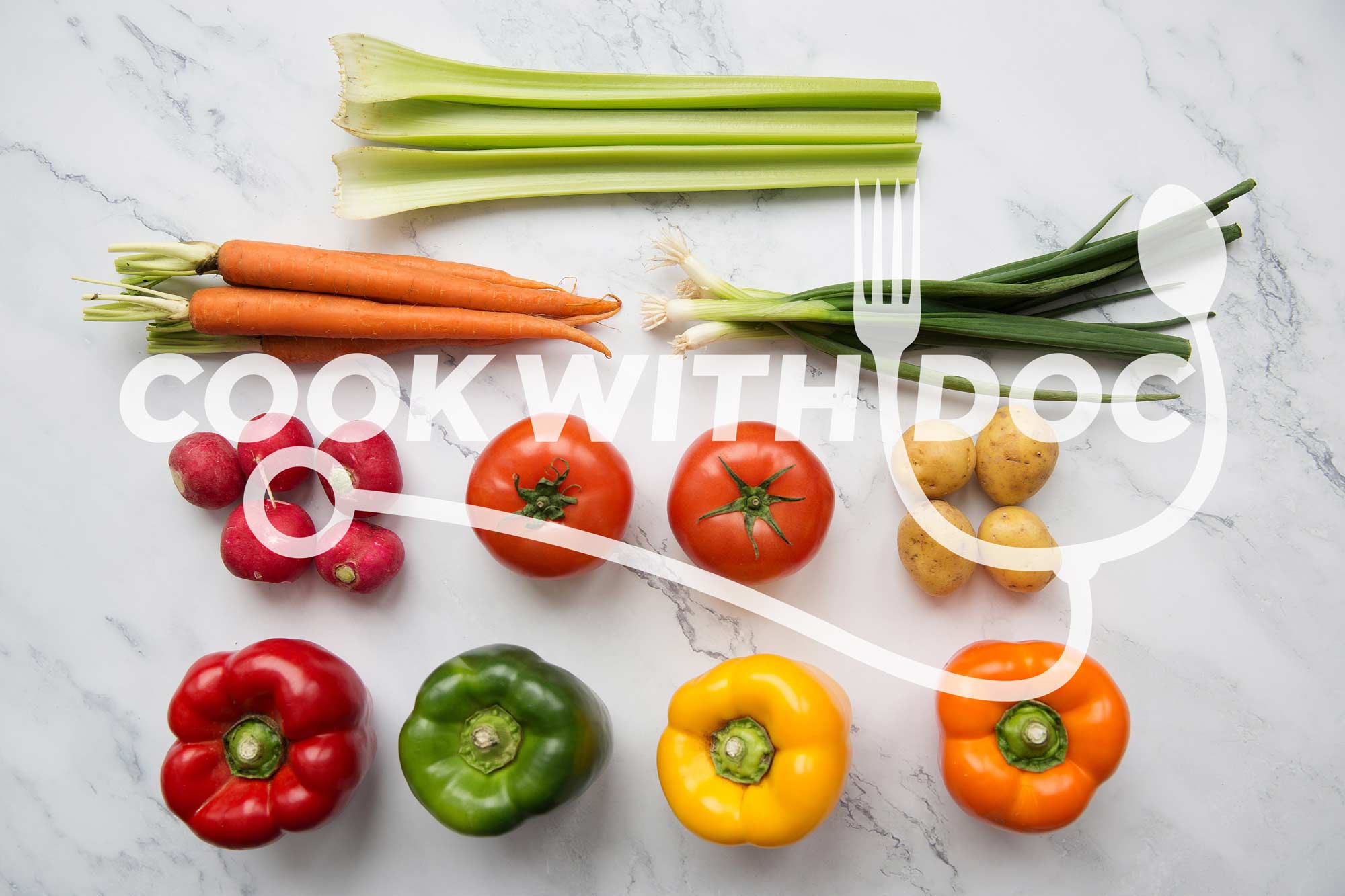
Carrots, sweet potatoes, and beets were staples, especially in cooler months.
These foods are rich in beta-carotene, which the body converts into vitamin A. This plays a key role in maintaining the health of the retina and supporting night vision.
While carrots became famous for eye health, they were just one piece of a broader, nutrient-rich pattern of eating.
-
Fermented Foods
Before refrigeration, fermentation was a necessity. Foods like sauerkraut and pickled vegetables were common.
While not directly tied to eye nutrients like vitamin A, these foods support gut health, which plays a role in nutrient absorption. If your body can’t absorb what you eat, even the best diet will fall short.
Better absorption means your eyes actually receive the nutrients they need!
What Changed and Why It Matters
Modern diets tend to be:
- Higher in processed foods
- Lower in nutrient density
- Built for convenience instead of long-term health
We didn’t just lose a few ingredients. We lost an entire pattern of eating that naturally supported eye health.
And now, conditions like age-related macular degeneration (AMD) are more common than ever.
Bringing These Foods Back Without Going Backward
This isn’t about eating exactly like your grandparents. It’s about adapting what worked.
Here are a few simple ways to reintroduce these foods:
- Add sauteed spinach or kale to meals a few times per week
- Try a small portion of liver once a week, or incorporate it into blended dishes
- Swap processed sides for roasted sweet potatoes or carrots
- Add a serving of fermented foods like sauerkraut to your plates.
Small changes, consistently applied, can make a real difference over time.
The Big Picture
Your grandparents were not following a vision diet. They were just eating real food. And in doing so, they were naturally protecting their eyes in ways we’re only now starting to fully understand.
The good news is you don’t need to overhaul your life overnight. You just need to start bringing back the foods that quietly did the job all along.
Your Tasty Call to Action
If you’re serious about protecting your vision and slowing the progression of age-related macular degeneration, it starts in your kitchen. At Cook With Doc, we make it simple to turn powerful, eye-supporting ingredients into meals you will actually enjoy!
Start exploring our recipes today and take the first step toward stronger, healthier vision.
#EyeHealth #MacularDegeneration #CookWithDoc