
Food Deserts in America: The Hidden Eye Health Crisis
When most people think about eye disease, they think about aging, genetics, or spending too much time staring at a screen. What they don't usually think about is where the nearest grocery store is located.
Yet for millions of Americans, the distance between home and healthy food may be one of the most important factors affecting their long-term eyesight.
What Is a Food Desert?
A food desert is an area where residents have limited access to affordable, nutritious foods such as fresh fruits, vegetables, whole grains, and lean proteins. These communities often have convenience stores and fast-food restaurants nearby but lack full-service grocery stores.
According to public health experts, food deserts affect both urban and rural communities throughout the United States. Many families living in these areas must travel significant distances to purchase fresh produce or rely on highly processed foods that are readily available and inexpensive.
Unfortunately, the foods most commonly available in food deserts are often high in sugar, refined carbohydrates, unhealthy fats, and sodium while being low in the nutrients that support healthy vision.
Why Food Deserts Matter for Eye Health
The retina is one of the most metabolically active tissues in the human body. It requires a constant supply of nutrients to function properly and defend itself against oxidative stress.
Research has shown that nutrients such as:
- Lutein
- Zeaxanthin
- Omega-3 fatty acids
- Vitamin C
- Vitamin E
- Zinc
- Anthocyanins
Many of these nutrients are found in foods such as:
- Spinach
- Kale
- Collard greens
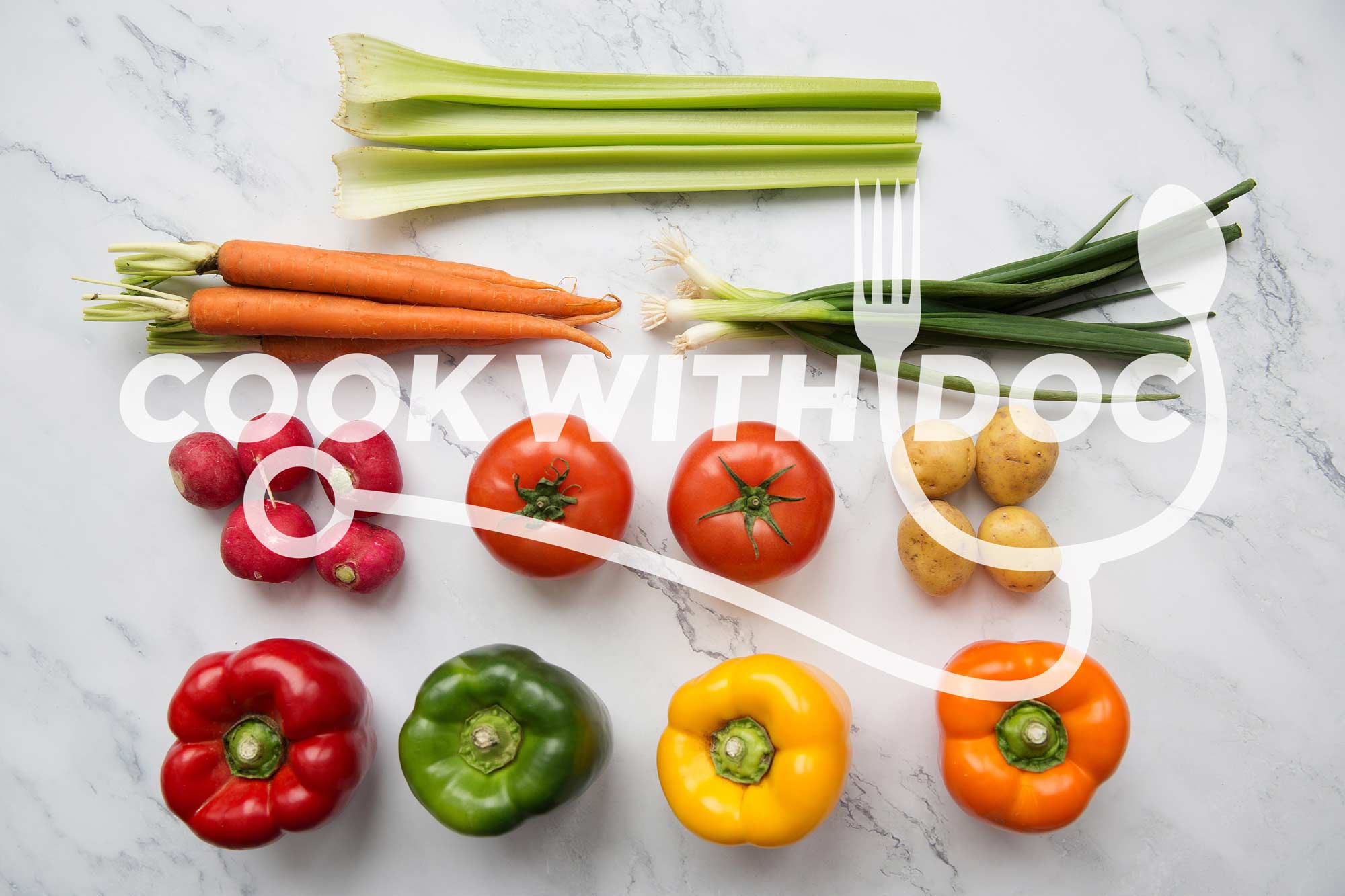
- Colorful peppers
- Blueberries
- Salmon
- Sardines
- Eggs
- Nuts and seeds
The problem?
These foods are often the hardest to find in food deserts.
As a result, people living in communities with poor access to nutritious foods may face a greater risk of obesity, diabetes, hypertension, cardiovascular disease, and potentially vision-threatening conditions that are linked to poor nutrition.
What This Means for Optometry
Optometrists are increasingly becoming front-line public health providers. When patients come in with early signs of retinal disease, diabetic retinopathy, or macular degeneration, the discussion can no longer focus solely on glasses, contacts, or medications. Many eye care professionals are now asking questions about nutrition and food access. If a patient cannot easily obtain leafy greens, fresh fish, or antioxidant-rich fruits, recommendations become much more difficult to follow. In some cases, eye care providers may need to work alongside dietitians, community organizations, and public health agencies to help patients gain access to healthier foods. The future of eye care may involve not only diagnosing disease but helping prevent it through better nutrition education and improved food accessibility.
What This Means for Food Distribution
Food deserts represent both a challenge and an opportunity. As transportation networks improve and food delivery services expand, companies have new ways to bring healthier foods into underserved communities. Mobile grocery stores, community-supported agriculture programs, farmers markets, food co-ops, and grocery delivery services are beginning to bridge some of the gaps. Technology is also changing how food moves through the supply chain. Better refrigeration, inventory management, and logistics systems make it easier to transport fresh foods to areas that historically lacked access.
The communities that solve the food desert problem may also help reduce future healthcare costs associated with chronic disease and vision loss.
What This Means for the Economy
Poor nutrition doesn't only affect individual health - it affects the entire economy. Vision impairment and blindness cost the United States hundreds of billions of dollars annually through healthcare expenses, lost productivity, reduced workforce participation, and caregiver costs. When people lose vision from preventable or manageable conditions, the economic consequences extend far beyond the individual patient.
Healthier communities tend to experience:
- Lower healthcare expenditures
- Greater workforce participation
- Improved educational outcomes
- Increased productivity
- Better quality of life
Improving access to healthy foods may be one of the most cost-effective public health investments available. In other words, helping people eat better today may help preserve their eyesight tomorrow while reducing economic burdens for decades to come.
The Good News
You don't need to live on a farm or shop at a specialty grocery store to start making eye-friendly choices. Frozen vegetables often retain most of their nutritional value. Canned fish such as salmon and sardines can provide beneficial omega-3 fatty acids. Even small improvements in diet can help increase the intake of nutrients that support retinal health. Every healthy meal is an opportunity to invest in your future vision.
The Bottom Line
Food deserts are often discussed as a nutrition issue, but they may also be an eye health issue. Access to nutritious foods affects the nutrients reaching the retina, the risk of chronic disease, and ultimately the likelihood of developing vision-threatening conditions such as age-related macular degeneration. The better we become at bringing healthy foods to every community, the better chance we have of protecting the eyesight of future generations. If you're looking for delicious ways to add more eye-friendly nutrients to your diet, explore the growing collection of recipes at Cook With Doc. Each recipe is designed to help support retinal health while proving that eating for your eyes can also taste amazing.
#CookWithDoc #EyeHealth #AMDPrevention