
Eat Your Way to Sharper Sight: 10 Easy Habits for Your Daily Routine
We’ve all heard the classic advice: eat your carrots for better vision. While carrots do contain helpful nutrients, protecting your eyes, especially from Age-Related Macular Degeneration (AMD, is about much more than one vegetable.
Your eyes rely on a powerful mix of nutrients to stay healthy over time. Scientists have identified key compounds that help support the retina and macula, including lutein, zeaxanthin, zinc, vitamin C, vitamin E, and omega-3 fatty acids. These nutrients help protect the delicate tissues of the eye from oxidative stress and inflammation - two major contributors to vision loss as we age.
The good news? These nutrients are found in many delicious everyday foods. By making small adjustments to your routine meals and snacks, you can build daily habits that support long-term vision health.
Here are ten fun and simple ways to add more eye-friendly foods into your daily routine.
1. The “Green-Up” Smoothie
Add a handful of spinach or kale to your morning smoothie. When blended with berries, banana, or mango, the flavor disappears - but your eyes still get the benefit. These leafy greens are loaded with lutein and zeaxanthin, two carotenoids that accumulate in the retina and help filter harmful blue light.
2. Egg-cellent Mornings
Don’t toss the yolk. Egg yolks contain a highly bioavailable form of zeaxanthin that your body absorbs easily. Pair eggs with sliced avocado or sauteed greens for a breakfast that fuels both your body and your eyes.
3. The Nutty Professor
Keep a small jar of almonds or walnuts nearby for a quick snack. Nuts are rich in vitamin E and zinc, nutrients that help protect eye cells from damage and support immune function in the retina.
4. Fishy Fridays (and Tuesdays)
Fatty fish like salmon, tuna, and sardines are excellent sources of omega-3 fatty acids. These healthy fats help support the structure of retinal cells and may help reduce inflammation in the eye.
5. Orange is the New Snack
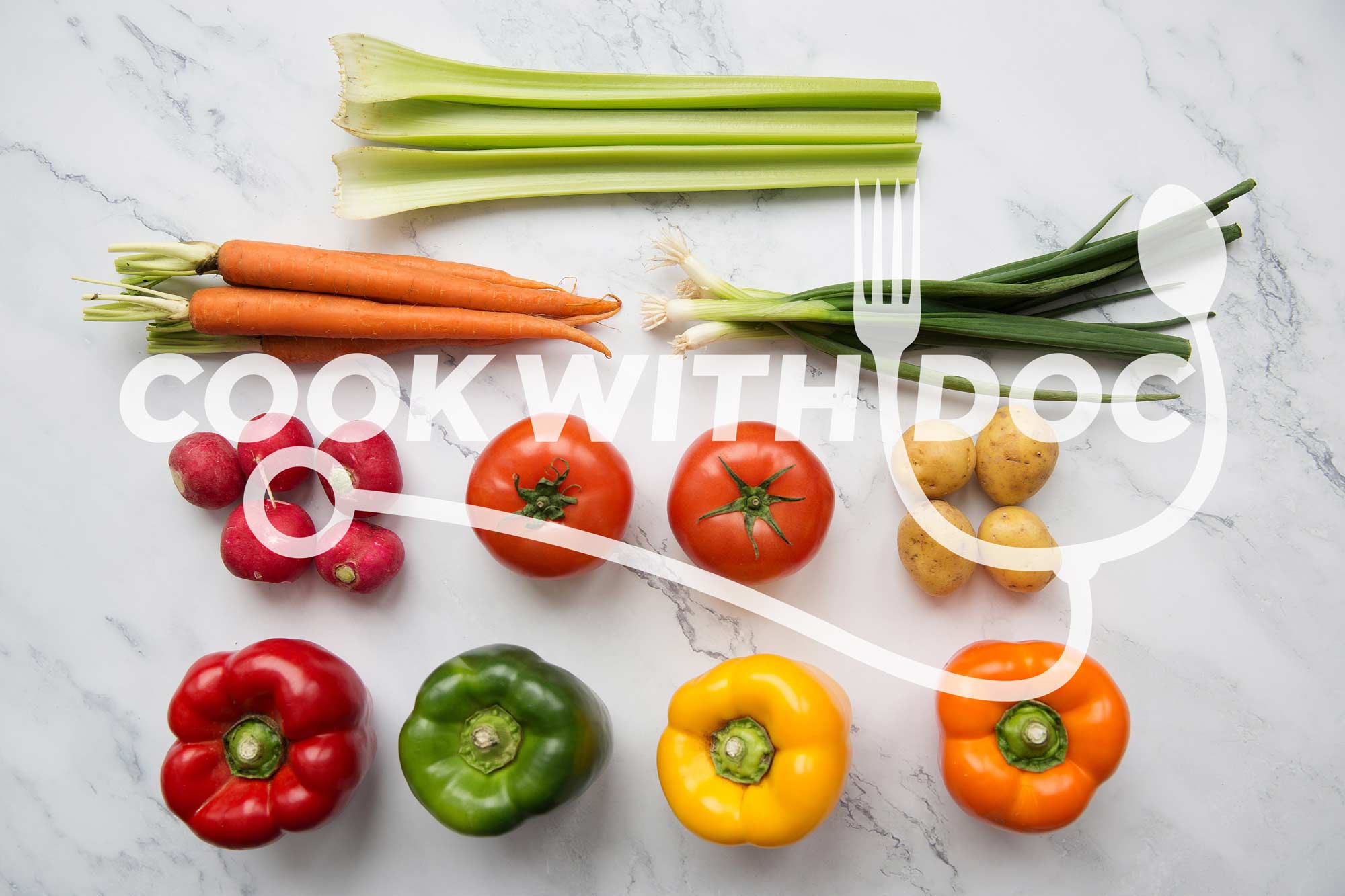
Bright orange and red foods such as bell peppers, oranges, carrots, and sweet potatoes are packed with vitamin C and beta-carotene. These nutrients support healthy blood vessels in the eye and help protect tissues from oxidative damage.
6. The “Seed” Secret
Sprinkle chia seeds or flaxseeds over yogurt, oatmeal, or salads. These tiny seeds provide plant-based omega-3s, fiber, and antioxidants that contribute to overall eye and cardiovascular health.
7. Salad “Confetti”
Think of colorful vegetables as confetti for your salad bowl. Red cabbage, yellow corn, shredded carrots, cherry tomatoes, and leafy greens create a vibrant mix of nutrients. The wider the range of colors, the broader the spectrum of protective carotenoids you’re consuming.
8. The Mediterranean Flip
Switch from butter to olive oil whenever possible. Olive oil contains healthy monounsaturated fats that help your body absorb fat-soluble vitamins such as vitamin A, vitamin D, vitamin E, and vitamin K - many of which support eye health.
9. Tea Time
Consider swapping one daily coffee for green tea. Green tea contains flavonoids and catechins, powerful antioxidants that help protect eye tissues from oxidative stress caused by aging and environmental factors.
10. Dark Chocolate Dreams
Yes, dark chocolate can play a small role in eye health. High-quality dark chocolate (70% cocoa or higher) contains copper and flavonoids that support healthy circulation, including the tiny blood vessels that nourish the eyes.
Why These Habits Matter
Small nutritional choices add up over time. The retina and macula are constantly exposed to light and oxygen, making them particularly vulnerable to oxidative damage. The nutrients found in colorful fruits, vegetables, healthy fats, and whole foods help create a protective environment for these delicate tissues.
Consistently eating a nutrient-rich diet may help slow the progression of vision-related conditions and support long-term eye health. Combined with regular eye exams, healthy lifestyle habits, and avoiding smoking, nutrition can play a powerful role in preserving your sight.
A Serious Note on Vision
Age-Related Macular Degeneration is one of the leading causes of vision loss in adults over 50. Unfortunately, once significant damage occurs to the macula, it is often irreversible. That’s why prevention and early lifestyle choices are so important.
By building simple food habits today, you are investing in the vision you will depend on decades from now. Your future self (and your eyes) will thank you.
#EyeHealth #CookWithDoc #AMDPrevention